Your New Home Didn't Come With an Instruction Manual? Here's How to Create One!
You've got the keys.
The moving boxes are finally unpacked.
You've worked out which light switch controls which room.
And you're beginning to feel settled into your new home.
Then something happens.
One bedroom is freezing while another feels like a sauna.
You notice a strange mark on the ceiling.
Or you suddenly wonder when the air-conditioning system was last serviced.
Welcome to homeownership!
Buying a home is exciting. Figuring out how everything works can be a little less exciting!
Unlike a new car, your house doesn't usually come with a comprehensive owner's manual explaining every system, appliance and maintenance requirement.
But perhaps it should.
A recent discussion among homeowners on Reddit highlighted just how overwhelming those first few months can feel, particularly when you're unsure what needs attention, which problems are serious and who to call for help.
The good news is that you don't need to become a plumber, electrician, roofer and air-conditioning technician overnight.
You just need a sensible starting point.
And for homeowners in Central Florida, there are a few particularly important things to understand.
1. Start With a Home Inspection—Even If You've Already Moved In
Most buyers arrange a professional home inspection before completing their purchase.
But what if you didn't?
Or perhaps you purchased a new construction home and assumed everything would be perfect.
A post-purchase inspection can still be valuable.
A qualified home inspector can assess accessible components of the property, identify visible concerns and help you understand which items may require further evaluation.
Typical areas include the roof, plumbing, electrical systems, heating and cooling equipment, attic and visible structural components.
An inspection won't guarantee that every hidden problem will be discovered, but it can provide a useful starting point.
Think of it as a general health check for your house.
And if you already have an inspection report from your purchase, don't leave it buried in your closing paperwork.
Review it again.
It can become the foundation of your ongoing maintenance plan.
2. Get to Know Your Air-Conditioning System
In Central Florida, air-conditioning isn't exactly a luxury.
It's practically a member of the family!
And when it stops working in the middle of August, you'll quickly appreciate why regular maintenance matters.
Start by locating your indoor air handler and outdoor condenser.
Find out how old the equipment is and when it was last serviced.
Check the manufacturer's recommended filter replacement schedule and make sure you know the correct filter size.
It's also worth arranging a professional HVAC inspection if the system's condition or service history is uncertain.
A technician can evaluate its performance and identify maintenance needs.
Why is one room hotter than another?
Uneven cooling is a common complaint.
Possible causes include restricted airflow, ductwork issues, insulation differences, solar heat gain or problems with the system itself.
Sometimes the solution is relatively simple.
Other times, professional diagnosis is needed.
Avoid randomly closing multiple air vents in an attempt to force more cooling into another room, as this can interfere with system airflow.
Florida tip: Don't overlook the air-conditioning condensate drain. Blockages can cause water backups and potentially expensive moisture damage.
3. Learn Where the Important Shutoffs Are
Here's a question every homeowner should be able to answer.
If a pipe suddenly bursts, do you know how to turn off the water?
If not, finding out should be near the top of your list.
Locate your home's main water shutoff valve.
Identify the electrical panel and make sure the circuit breakers are clearly labeled.
If your home has gas appliances, learn where the appropriate shutoff valves are located and how to respond safely to a suspected gas leak.
Make sure other adults in the household know where these controls are too.
You don't need to become an expert in home repairs.
But knowing how to respond quickly to an emergency can prevent a small problem from becoming a major one.
Never attempt electrical or gas repairs unless you're properly qualified.
4. Check the Attic—But Know What You're Looking For
The attic is probably not somewhere you'll be spending much time.
Especially during a Florida summer!
But it's an important part of your home's overall condition.
Your attic can provide clues about roof leaks, insulation problems, ventilation and unwanted moisture.
Signs that deserve further investigation include:
-
Water stains or damp areas
-
Musty odors
-
Visible discoloration or suspected microbial growth
-
Damaged or displaced insulation
-
Evidence of pests
-
Unusual daylight entering through the roof structure
If you notice something concerning, arrange for the appropriate professional to investigate.
Avoid walking around an unfamiliar attic without understanding where it's safe to step.
Ceiling drywall isn't designed to support your weight, and attic temperatures can become dangerously high.
5. Moisture Is One of Florida's Biggest Home Maintenance Challenges
Florida's warm, humid climate creates particular challenges for homeowners.
Moisture can enter through roof leaks, plumbing problems, poorly sealed windows or other building defects.
Excess indoor humidity can also contribute to condensation and mold growth.
That's why it's important to pay attention to early warning signs.
A persistent musty smell.
Water stains around windows.
Discoloration near air-conditioning equipment.
Soft or swollen baseboards.
Or damp areas that never seem to dry completely.
These shouldn't automatically be dismissed as harmless.
The priority is to identify and correct the source of moisture.
Simply painting over a stain or cleaning visible mold without addressing the underlying problem may allow it to return.
If the problem is extensive, recurring or involves potentially contaminated materials, seek professional assistance.
6. Don't Forget the Roof
Your roof is one of the most important components of your home.
And in Florida, it has to withstand intense sunshine, heavy rainfall, thunderstorms and the possibility of hurricanes.
Even a small roof problem can lead to significant interior damage if left unaddressed.
Find out when your roof was installed and what type of roofing material was used.
Keep any available permits, warranties and previous inspection records.
After severe weather, inspect the roof visually from the ground for obvious damage.
Look for missing shingles, displaced tiles, damaged flashing or debris.
Also check ceilings and attic areas for signs of water intrusion.
If you suspect a problem, contact a qualified roofing contractor.
Climbing onto a roof yourself is rarely worth the risk.
7. Consider a Home Energy Assessment
If your electricity bills seem unusually high or some rooms are consistently uncomfortable, a home energy assessment may be worthwhile.
Depending on the service offered, an assessment may help identify issues involving insulation, air leakage, HVAC efficiency or other sources of energy loss.
Some utility providers offer energy-efficiency assessments or related programs.
It's worth checking with your electricity provider to see what's available.
For Central Florida homeowners, improvements to insulation, cooling efficiency and air sealing can sometimes make a meaningful difference to comfort.
But recommendations should be evaluated based on the home's actual condition and the expected costs and benefits.
8. Learn the Basics of Your Plumbing System
You don't need to know how to replace a water heater.
But you should understand a few basics.
Find out where your water heater is located and approximately how old it is.
Check visible plumbing connections periodically for leaks.
Pay attention to changes in water pressure.
And don't ignore toilets that run continuously or faucets that drip.
Small leaks can waste water and, in some cases, cause damage over time.
If you have a water softener, filtration system or other specialized equipment, locate its manual and learn the recommended maintenance schedule.
And if you notice unexplained water usage, investigate rather than assuming it's normal.
9. Give Your Outdoor Areas Some Attention
In Central Florida, the exterior of your property deserves just as much attention as the interior.
Check gutters and drainage areas.
Make sure water flows away from the home rather than collecting against the foundation.
Inspect exterior doors and windows for damaged seals.
Keep vegetation trimmed away from the building where appropriate.
And review your irrigation system for broken sprinkler heads, leaks or overspray.
Have a swimming pool?
Learn the basics of your pool equipment.
Identify the pump, filter, valves and any automation controls.
Understand the normal operating schedule and maintenance requirements.
If you're using a professional pool service, ask them to explain what they're maintaining and what warning signs you should watch for between visits.
And always keep pool barriers, gates and other safety equipment functioning properly.
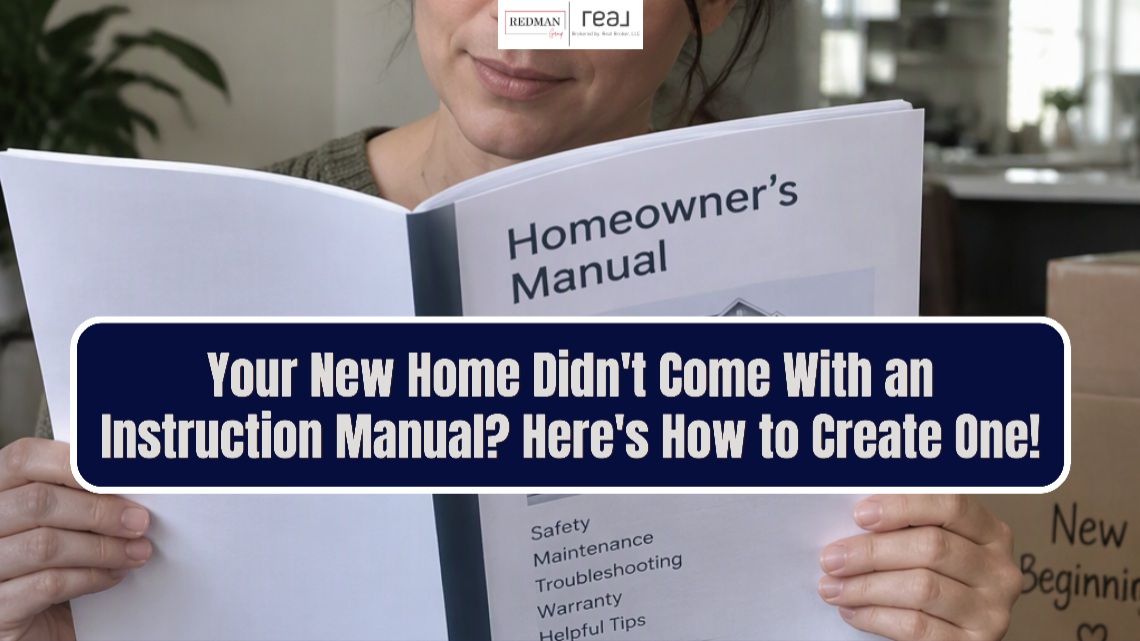
10. Create Your Own Homeowner's Manual
This might be the single most useful thing you do after moving in.
Create a digital folder or physical binder containing important information about your home.
Include:
-
Your original home inspection report
-
Appliance manuals and warranty information
-
HVAC service records
-
Roof installation details and warranties
-
Plumbing and electrical information
-
Paint colors and flooring details
-
Pool equipment manuals, if applicable
-
Contractor contact information
-
Home maintenance records
-
Insurance information and important property documents
You can also keep photographs of equipment labels, model numbers and serial numbers.
These details can be incredibly helpful when ordering replacement parts or arranging repairs.
And if you eventually sell the property, organized maintenance records may be useful to prospective buyers.
11. Build a Simple Maintenance Calendar
One reason home maintenance feels overwhelming is that everything seems to need attention at once.
But it doesn't have to work that way.
Break the responsibilities into manageable tasks.
Monthly
Check HVAC filters according to the manufacturer's guidance, inspect visible plumbing for leaks, and make sure smoke alarms and other safety devices are functioning as recommended.
Every few months
Review irrigation performance, inspect exterior drainage and check for signs of moisture or pest activity.
Annually
Arrange appropriate professional servicing for major equipment, review roof condition and check that important warranties and maintenance records are up to date.
Before hurricane season
Review your storm preparations, inspect exterior areas, check emergency supplies and understand how to secure your property.
The exact schedule will depend on your home's age, construction, equipment and manufacturer recommendations.
But having a plan makes it much easier to stay organized.
12. Know When to Call a Professional
Not every home maintenance issue requires an expensive service call.
Changing an accessible air filter or replacing a light bulb is usually straightforward.
But certain problems are best left to qualified professionals.
Electrical faults.
Gas-related concerns.
Significant plumbing leaks.
Roof damage.
Persistent moisture problems.
And major HVAC issues.
If you're unsure whether a problem is safe to investigate yourself, seek professional advice.
And when hiring contractors in Florida, check the licensing requirements for the work and verify credentials where applicable.
A reputable professional should be willing to explain the problem, the recommended solution and the likely cost.
Don't Try to Learn Everything in Your First Month
Perhaps the most reassuring advice from the original homeowner discussion was also the simplest.
You don't have to learn everything at once.
Owning a home is an ongoing learning experience.
You'll gradually discover how the systems work, which maintenance tasks matter most and which professionals you can rely on.
Start with the essentials.
Understand the major systems.
Address safety concerns.
Keep good records.
And build your knowledge over time.
There's no need to turn your first few months of homeownership into a full-time maintenance project!
The Bottom Line: A Little Knowledge Can Prevent Some Very Expensive Surprises
Buying a home is a major investment.
And looking after that investment involves more than keeping the lawn tidy and the kitchen clean.
Understanding your property's systems, recognizing warning signs and keeping up with routine maintenance can help you avoid unnecessary problems.
For Central Florida homeowners, particular attention to air-conditioning, moisture, roofing and exterior drainage is especially worthwhile.
But remember, the goal isn't to become an expert in every aspect of home construction.
It's to know enough to recognize when something needs attention and who to contact when it does.
Your home may not have come with an instruction manual, but there's nothing stopping you from creating one!
And five or ten years from now, you might be very glad you did.
.
Recent Posts